مسیر جدید مهاجرت برای مشاغل خدماتی در بریتیش کلمبیا
- نوشته شده توسط گروه اخبار و مقالات
-
تاریخ آخرین ویرایش: شنبه, 28 شهریور 1405 ساعت 02:37
 All images protected. Unauthorized use is prohibited. © ImmiGlobe Inc
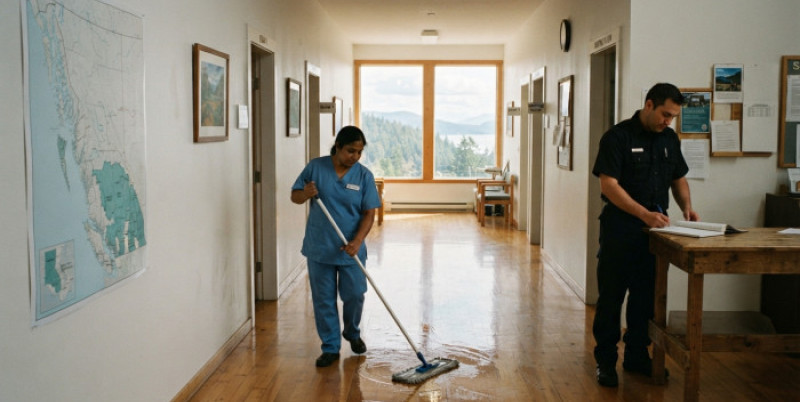
استان بریتیش کلمبیا مسیر کوتاهمدتی را برای تمیزکاران و پرسنل امنیتی خارجی که برای یک مرجع بهداشتی استانی در مناطق دوردست کار میکنند، باز کرده است تا به اقامت دائم در کانادا نزدیک شوند.
روش موقتی ویزای مشاغل خدماتی در مناطق دورست دومین انتخاب خود را در ۱۷ سپتامبر برگزار کرد و دعوتنامهای به ۳۳ کارگر واجد شرایط ارسال کرد.
برای واجد شرایط شدن، متقاضی باید شغل تماموقت و منظم در یکی از سه شغل فهرستشده — تمیزکار سنگیندست، تمیزکار سبکدست یا نگهبان امنیتی — داشته باشد و حداقل نه ماه بهصورت پیوسته برای همان کارفرما در یک ناحیه روستایی تأییدشده کار کرده باشد.
دریافت دعوتنامه برای نامزدی استانی گامی کلیدی است؛ پس از حمایت استانی، دولت فدرال میتواند اقامت دائم را اعطا کند.
علاوه بر این، تغییرات اخیر فدرالی به نامزدها امکان دریافت اجازهکار باز (Bridging Open Work Permit) را یک ماه زودتر میدهد، حتی اگر هنوز رسید دریافت پرونده اقامت دائمشان را دریافت نکرده باشند.
در قرعهکشی سپتامبر حداقل امتیاز مورد نیاز ۶۰ بود که ده امتیاز بیشتر از قرعهکشی اول بود و نشاندهنده رقابتپذیری فزاینده این برنامه است.
اگرچه جزئیات دقیق مشاغل نمایان نشده، استان تا به امروز ۹۳ دعوتنامه از زمان آغاز برنامه در ژوئن صادر کرده و قصد دارد تا پیش از مهلت ثبتنام ۷ اکتبر حداکثر ۲۵۰ کارگر را نامزد کند.
به دلیل تأثیر آتشسوزیها مهلت تمدید شد که نشاندهنده انعطافپذیری استانی در مواجهه با چالشهای محلی است.
برخی ناحیههای منطقهای مانند Central Okanagan، Metro Vancouver و Capital بهجز چند جزیرهٔ کوچک مستثنی هستند. متقاضیان باید معیارهای پایهٔ تحصیلی و درآمدی را برآورده کرده و پیشنهاد شغلی خود را در تمام مراحل نامزدی و اقامت دائم معتبر نگه دارند.
هدف کلی این ابتکار با استراتژی سهستونی بریتیش کلمبیا برای سال ۲۰۲۶ — مراقبت از خدمات بهداشتی، ساخت زیرساخت و تقویت نوآوری — همسو است.
برای کارگرانی که شرایط لازم را دارند، این مسیر یک راه واضح برای استقرار در استان زیبا و در حال رشد فراهم میکند و میتواند برنامههای بلندمدت شما در کانادا را شکل دهد.
آیا می دانید واجد شرایط کدام روش مهاجرت هستید؟
British Columbia has opened a short‑term route that lets foreign cleaners and security staff who work for a provincial health authority in a remote area move toward permanent residence in Canada. The program, called the Temporary Rural/Remote Health Support Initiative, held its second selection on September 17 and sent invitations to 33 eligible workers.
To qualify, a candidate must hold a regular, full‑time job in one of three listed occupations – heavy‑duty cleaners, light‑duty cleaners, or security guards – and must have worked continuously for at least nine months with the same employer in an approved rural district.
The invitation to apply for a provincial nomination is a key step because once the province backs the candidate, the federal government can grant permanent residence. In addition, recent federal changes let nominees obtain a Bridging Open Work Permit a month faster, even if they have not yet received an acknowledgement of receipt for their permanent‑residence file.
The September draw required a minimum points score of 60, ten points higher than the first draw, showing the program’s growing competitiveness. While the province has not released details on which specific jobs were represented, it has already issued 93 invitations since the initiative launched in June, and it plans to nominate up to 250 workers before the registration deadline of October 7.
The deadline was extended because of wildfire impacts, highlighting the province’s flexibility in response to local challenges. The program also excludes certain regional districts such as Central Okanagan, Metro Vancouver, and the Capital region, though a few islands remain eligible.
Applicants must meet basic education and income standards and must keep their job offer valid throughout the nomination and permanent‑residence process. The broader aim of the initiative aligns with British Columbia’s three‑pillar strategy for 2026 – caring for health services, building infrastructure, and fostering innovation.
For workers who meet the criteria, the pathway offers a clear route to settle in a province known for its natural beauty and growing communities, while also addressing critical staffing needs in remote health facilities. As the program continues to accept new registrations, potential candidates may want to assess whether their current role, location, and employment history fit the requirements, and consider how this opportunity could shape their long‑term plans in Canada.